
Facilitation
We’ve all sat through the training.
This isn’t that.
You know the one. Slides for days. A facilitator reading bullet points. Everyone half-present, waiting for it to end — and walking out with nothing they'll actually use.
That's not a people problem. That's a design problem.
Facilitation is where insight becomes action. When the Attunement has shown you which conditions to focus on, or when you already know exactly what's getting in your team's way, this is the work of actually shifting it.
Not content delivered at a room. The kind of conversation that doesn't happen in a regular meeting: the moment someone says something that surprises even themselves, the shift when a team stops performing and starts being honest, the connection that changes how people work together long after the session ends.
That's what we design for.
Once you know what matters, this is how you change it.
Picture it.
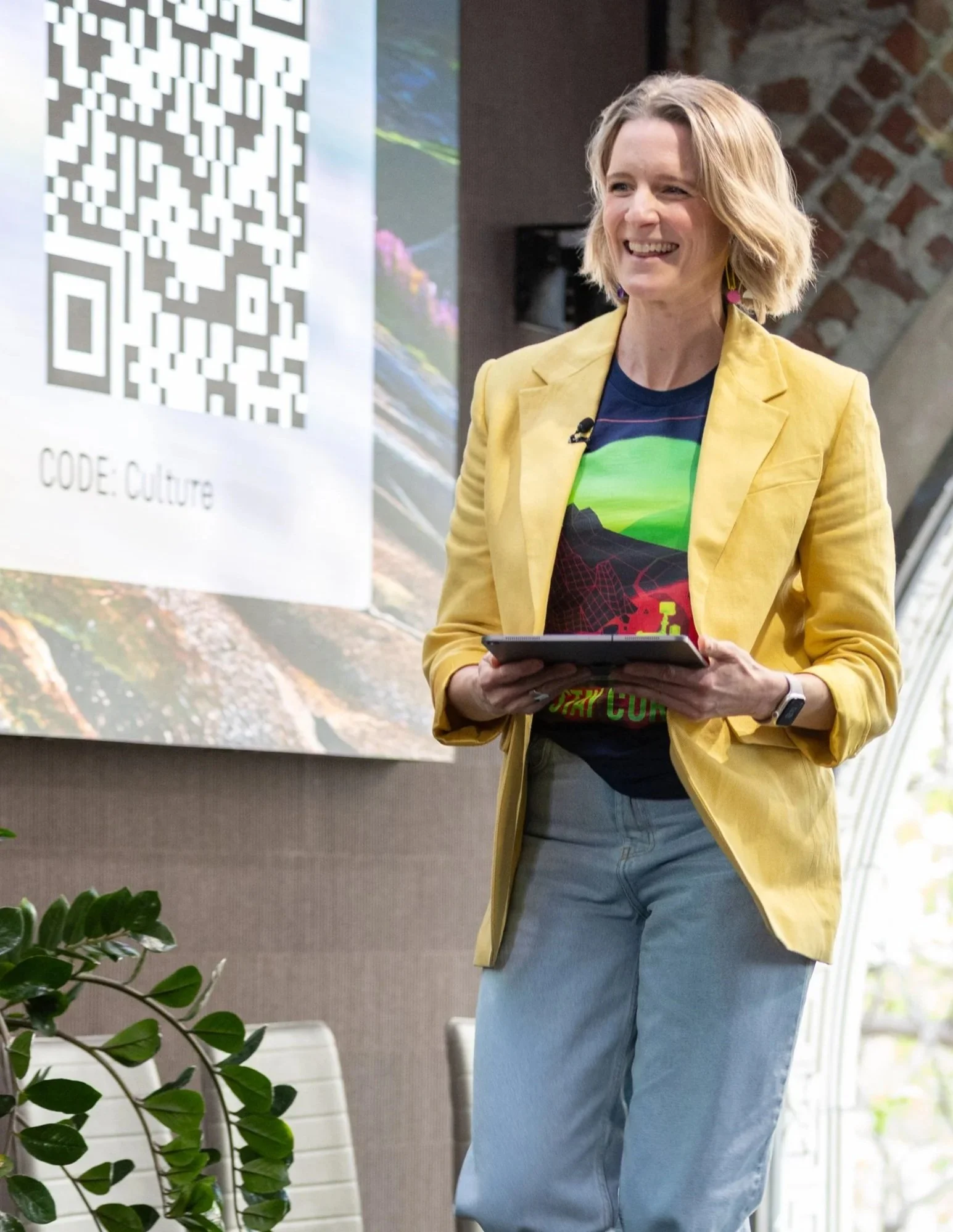
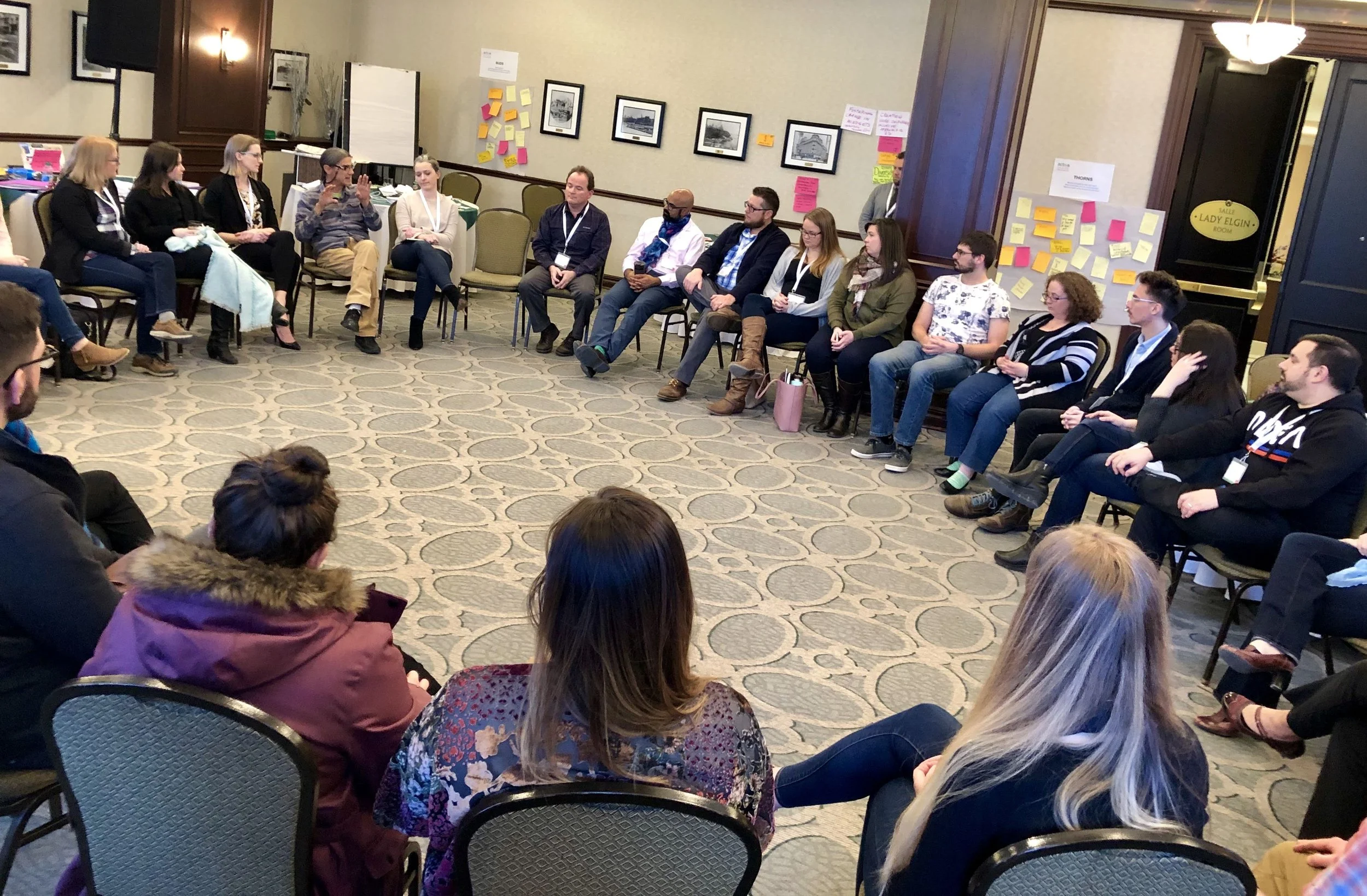
Shoes kicked off. Phones face down. People leaning toward each other instead of away. Someone says something honest. Someone else responds with something realer. The energy in the room shifts, and everyone feels it.
That's not a lucky accident. It's what good design makes possible.
Why no two sessions are the same.
You might have covered psychological safety before. Or team dynamics. Or navigating change.
But you've never covered it with these people, in this moment, with everything your team is carrying right now. That combination has never existed before, and it never will again.
Which means there's something new available in every session, for every person in the room, even the ones who think they've heard it all. We invest time upfront to understand your people, your context, and your goals, then design an experience that meets your team exactly where they are.
More than a workshop.
Sometimes shaping conditions looks like a facilitated session or offsite. Sometimes it's deeper, hands-on work: redesigning how people join and grow, building a new employee experience program, or shaping how your organization listens to its people.
Depending on what the work needs, Sono can act as a facilitator, an advisor, or an embedded partner working alongside your team. What stays constant is the aim: turning insight into how people actually work, not just what they talk about in the room.

"Caitlin expertly created an engaging environment where participants felt comfortable sharing and learning from one another…What stood out the most was Caitlin's warmth and authenticity."
— Chris, Partnerships Manager, Global EdTech Company
Every team faces human challenges.
How people communicate, collaborate, make decisions, and lead under pressure shapes both culture and performance. The areas here are where we work most often. But if your challenge doesn't fit neatly into a category, that's the point, not a problem.
This isn't a menu. It's a starting point. Don't see your challenge here? Good. Let's talk about what's actually going on.
-
High-performing teams need more than shared goals. Clarity around priorities, communication, decision-making, and ways of working helps people move together with focus.
Organizational values in action · Decision-making & prioritization · Cross-functional alignment · Team operating norms · Role clarity & ownership -
The way people communicate shapes everything: how they collaborate, how they handle conflict, how much they trust each other. Strong dynamics are built through honest conversation and deliberate practice.
Psychological safety · Collaboration & relationship dynamics · Navigating conflict productively · Giving & receiving feedback · Team connection & engagement -
Modern leadership takes more than technical expertise. Leaders shape culture, decision quality, and how a team responds, especially when things get hard.
Emotional intelligence & self-awareness · Leading through change & complexity · Communication under pressure · Sustainable performance & burnout prevention · Executive presence & impact
Let’s design something that actually resonates.
Tell us what your team is navigating, and we’ll design an experience that meets them there.